Uncategorized

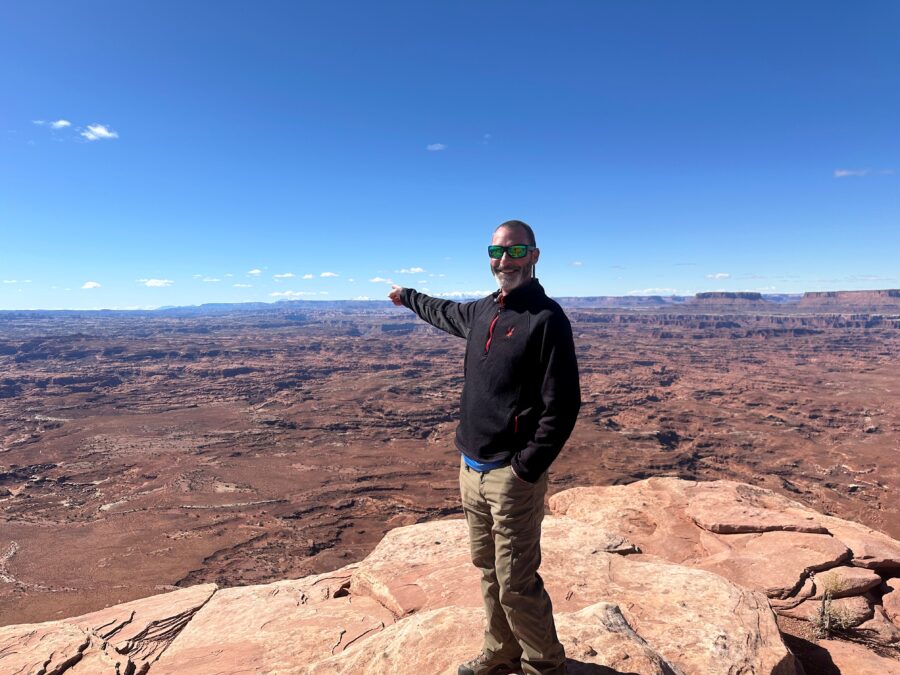
Welcome to Pat McDermott as a Project Archaeologist!

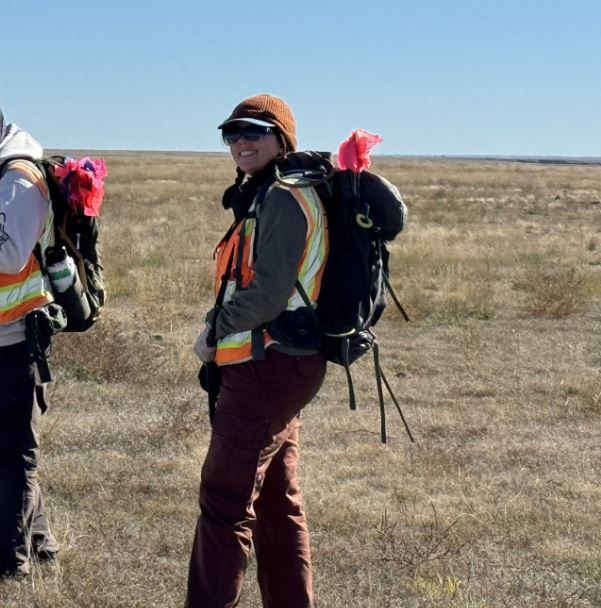
Pat studied History at Fort Lewis College and received a Certificate in Cultural Resource Management. Since 2009, he has worked throughout the western United States. Pat is known for his strong field leadership, commitment to safety, and deep understanding of regional archaeological contexts. Outside of work, he enjoys hitting the golf course and collecting antiques. […]

Welcome to Pat McDermott as a Project Archaeologist! Read More »

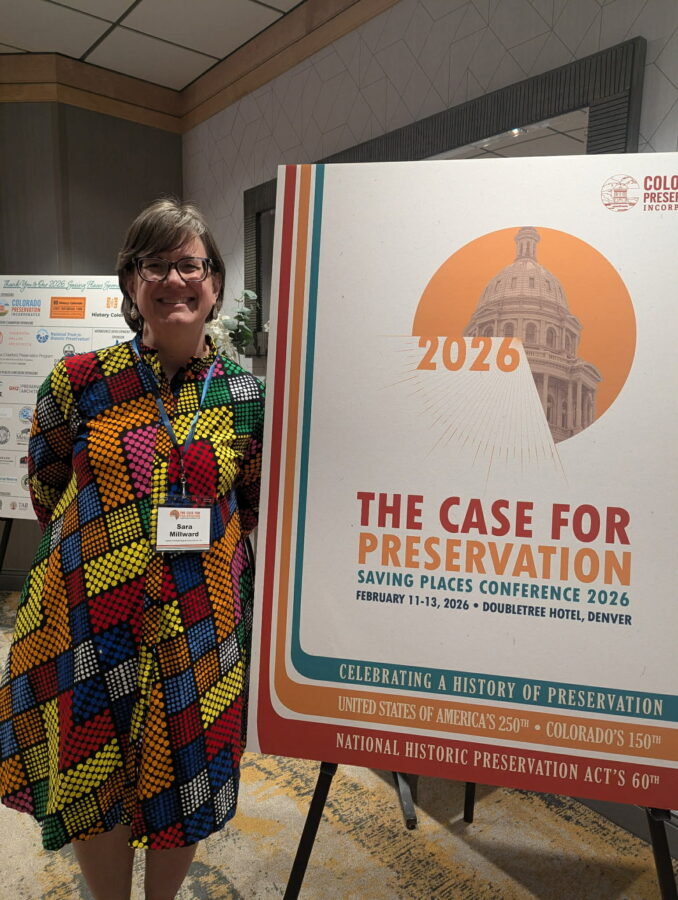
Alpine at Saving Places Conference!

Alpine’s Principal Investigator Sara Millward attended Colorado Preservation Inc.’s (https://www.facebook.com/coloradopreservation) Saving Places Conference in Denver this Spring.  Sara and project partner Tejpaul Singh Bainiwal of the Sikh American History Project (https://www.facebook.com/sikhamericanhistory) presented “From Punjab to the Rockies: Preserving the Sikh History of Colorado” and discussed the results of the “Colorado Sikh Community History Project.”  The

Alpine at Saving Places Conference! Read More »

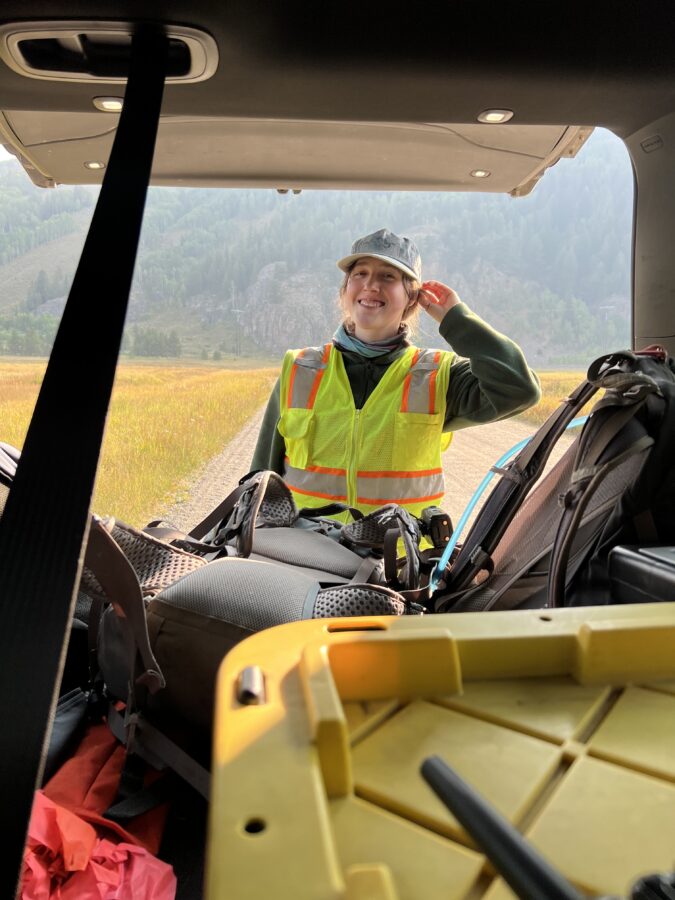
Alpine at OAC 2026!

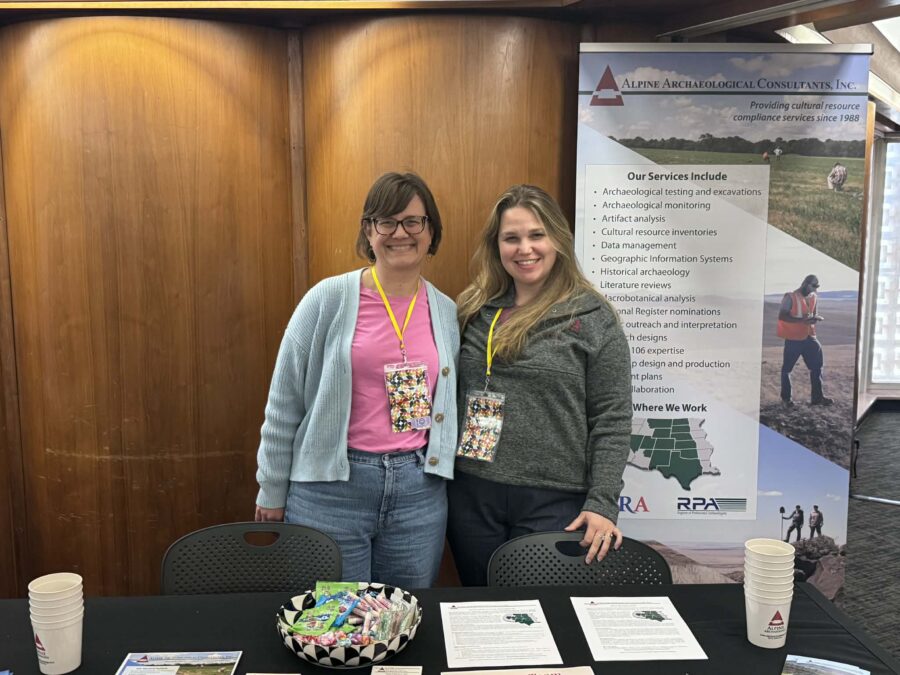
Alpine’s Principal Investigator Sara Millward and Project Administrator Jessie Boyd attended the 2026 Oklahoma Archaeological Conference this Spring! Alpine was a sponsor for the event and had a table at the CRM Fair. It was a great opportunity to connect with students and other professionals in the region.

Alpine at OAC 2026! Read More »

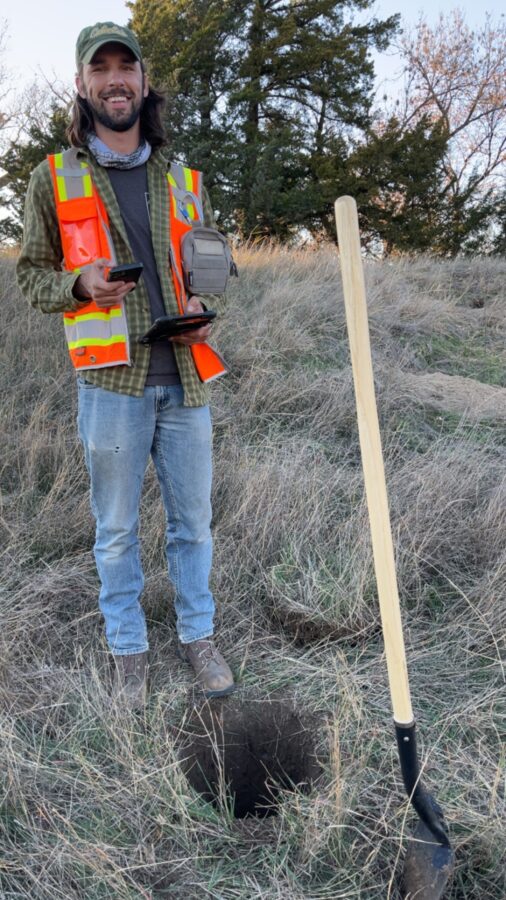
Caeli McCusker promoted to Staff Archaeologist!

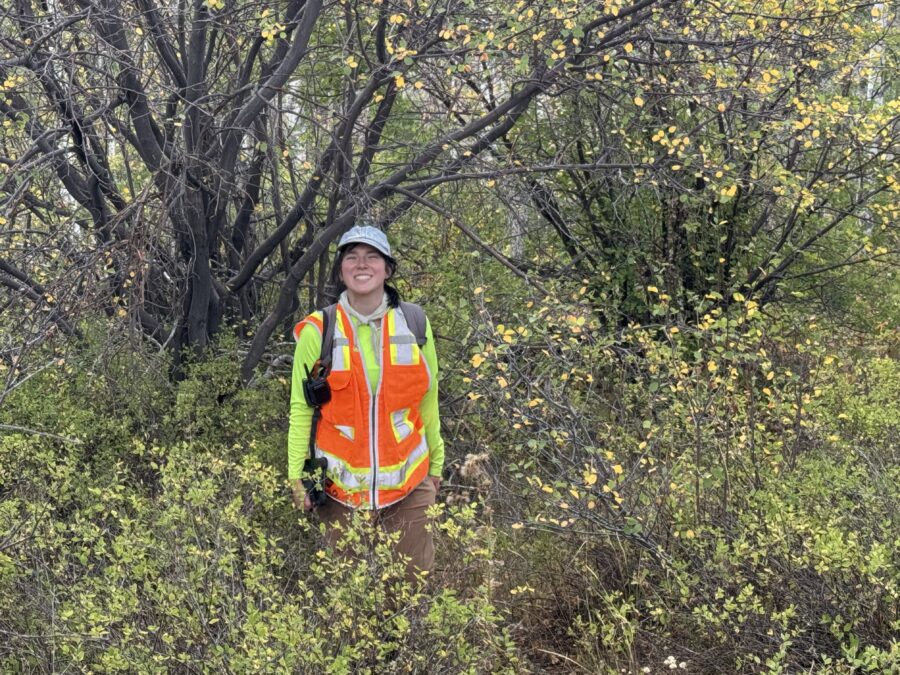
Caeli graduated from the University of Colorado Boulder in 2020 with a B.A. in Linguistic Anthropology and a Certificate in Native American and Indigenous Studies. She has continued to further her education in anthropology, archaeology, and GIS at Front Range Community College and Colorado State University. Caeli has been working as an archaeologist since 2022, and

Caeli McCusker promoted to Staff Archaeologist! Read More »

What is a Maker’s Mark and How is it Useful to Archaeologists?

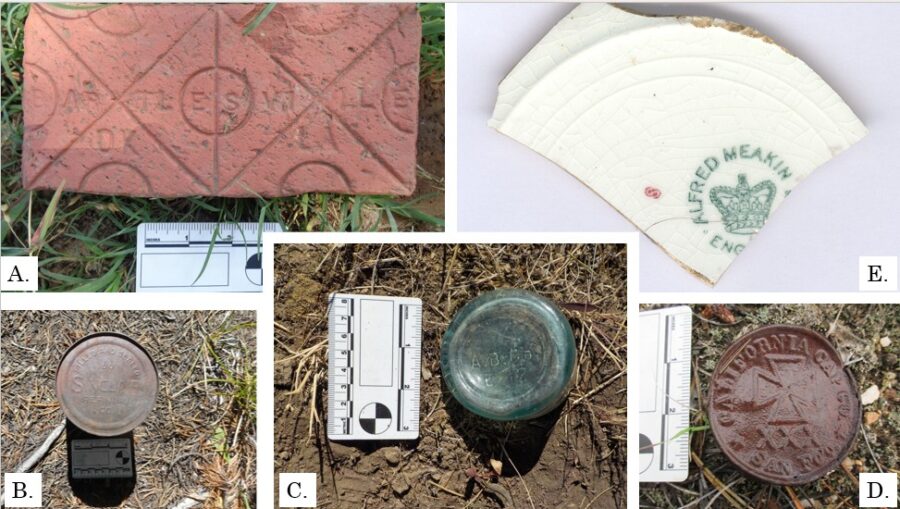
A maker’s mark is as the name suggests, a mark placed on an item (bottles, ceramics, etc.) that represents the manufacturer of the item. These marks can include symbols, letters, numbers, images, or a combination of markers. Maker’s marks generally are diagnostic, or distinctive in characteristic. Most maker’s marks can provide information of not just

What is a Maker’s Mark and How is it Useful to Archaeologists? Read More »

Scroll to Top